
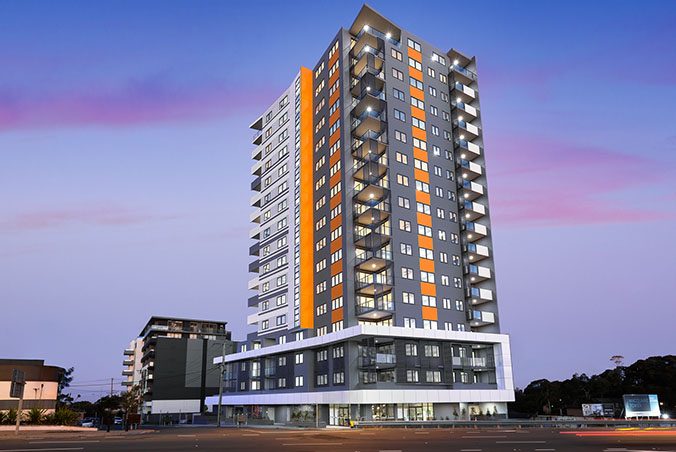
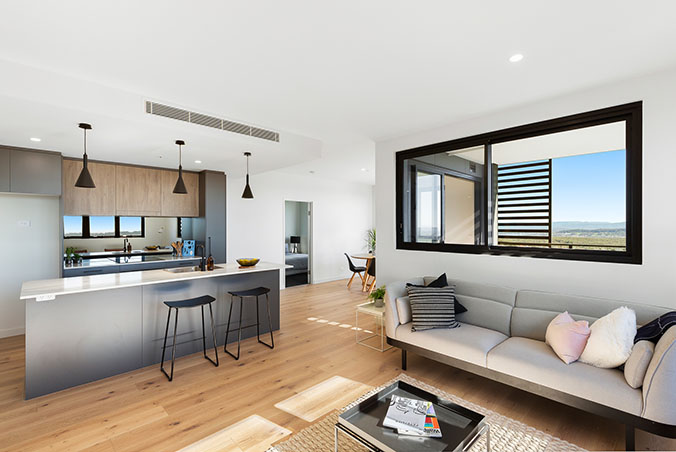
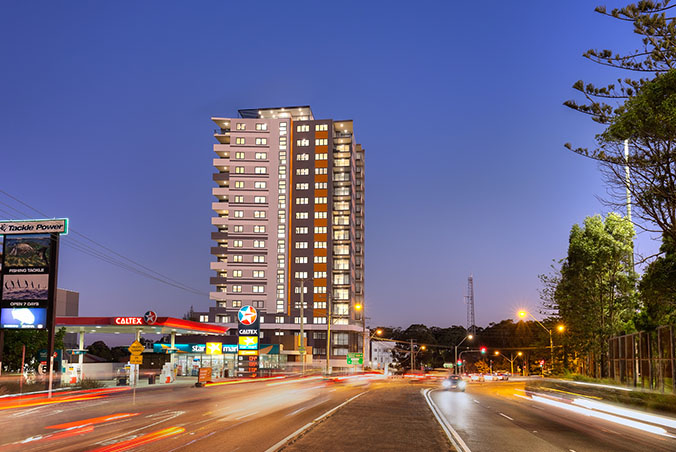
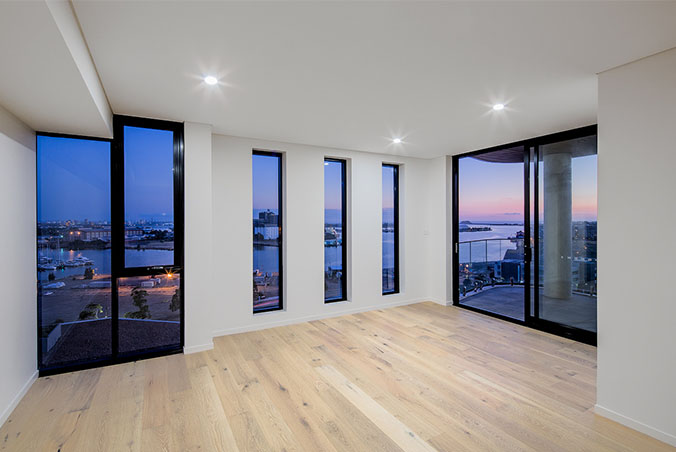
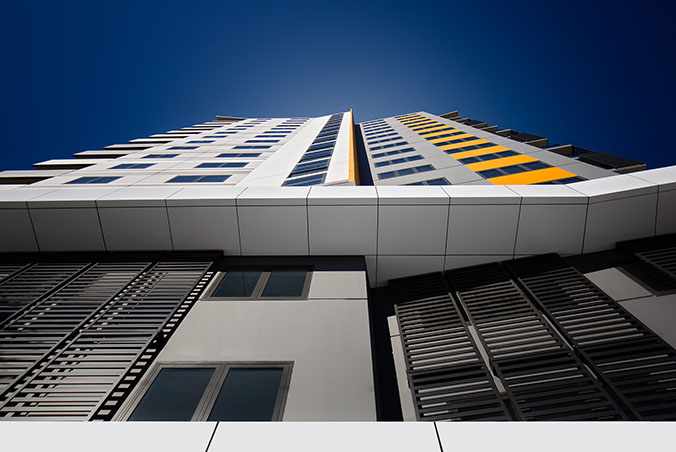
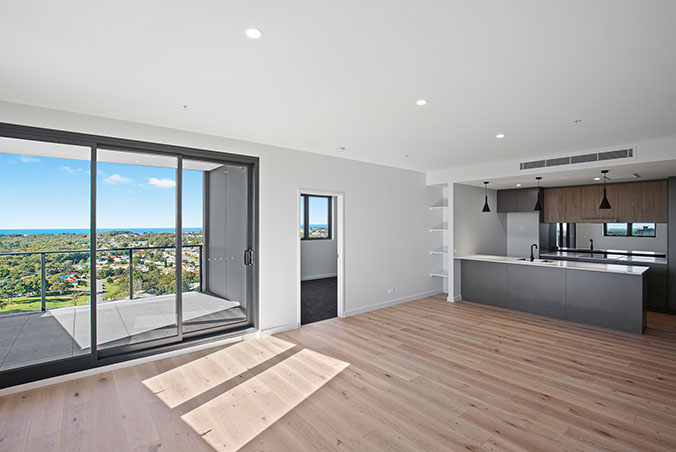
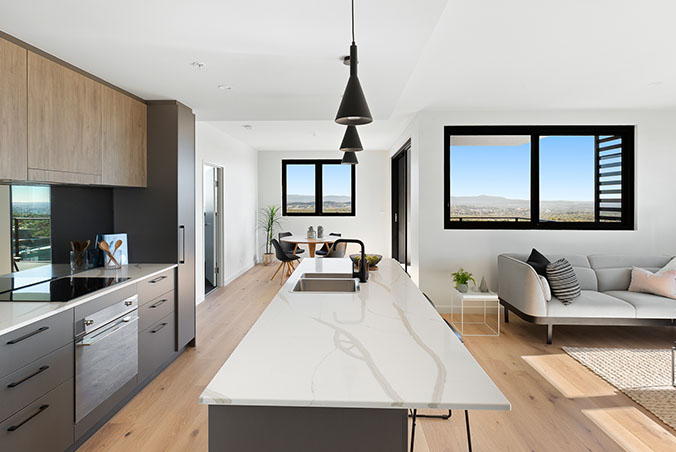
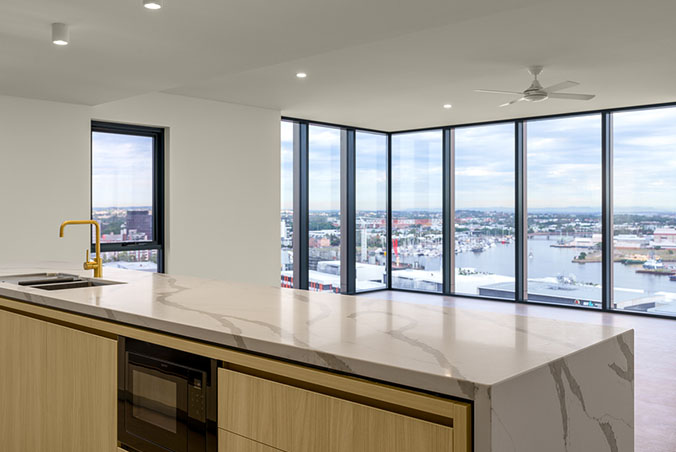
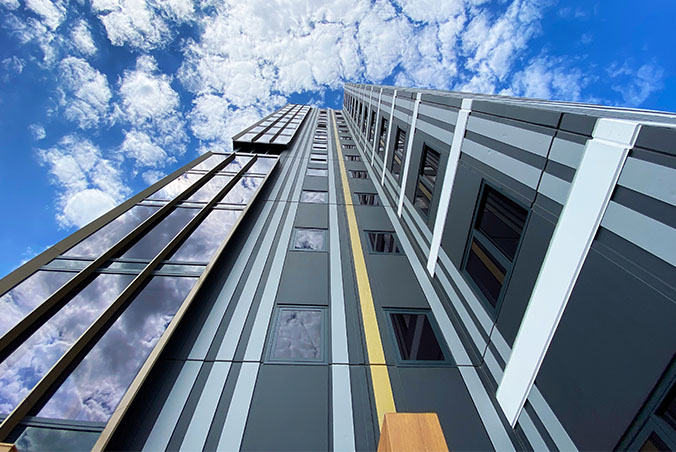
The recently finished Highpoint apartment building in Charlestown is a wonderful addition to the local skyline. The view out from over 800 windows is truly amazing.
Acoustic performance is a critical specification consideration for window and door systems in noise-affected locations. Multi-residential apartments adjacent to road or rail corridors, education buildings near traffic noise, aged care facilities in urban environments, and commercial buildings in noise-sensitive zones all require window and door systems capable of delivering verified acoustic performance. Hunter Windows window and door systems carry independently tested acoustic ratings, with performance varying by system, series and glazing selection. Acoustic test data is available on request to support acoustic design, NCC compliance and development consent conditions.

Window acoustic performance is measured by the reduction in sound level between the outside and inside of a building achieved by the window assembly. Two primary rating systems are used in Australia:
A window rated Rw 35 reduces sound by approximately 35 decibels under test conditions. In practice, the installed performance of a window system depends on both the window rating and the quality of installation — gaps, seals and the surrounding construction all affect the overall acoustic outcome.
Acoustic performance of a window system is determined by a combination of factors:
The National Construction Code specifies minimum acoustic performance requirements for habitable rooms in residential buildings adjacent to noise sources. Requirements are expressed in terms of weighted standardised level difference (DnTw) for the building element, which reflects both the window performance and the overall construction.
NCC acoustic requirements relevant to window specification include:
For NSW projects, acoustic requirements should be confirmed against both the NCC and any development application conditions imposed by the consent authority or acoustic report.
Different project types have distinct acoustic performance requirements:
Hunter Windows window and door systems carry independently tested acoustic ratings expressed as Rw values. Ratings vary by system, series and glazing configuration. Acoustic test reports are available on request — contact Hunter Windows with the system type, series and glazing specification to obtain the relevant data for your project.
Rw (Weighted Sound Reduction Index) is the primary international metric used in Australian Standards and NCC compliance assessments. STC (Sound Transmission Class) is an older rating system more commonly referenced in US-origin documentation. Both measure sound reduction in decibels and are broadly comparable for typical window applications, though they use different frequency weighting methods. For NCC compliance purposes, Rw is the relevant metric.
Start with the acoustic performance target — typically expressed as a minimum Rw value in the acoustic consultant’s report or development consent conditions. Then work backwards to identify the glazing configuration that achieves that rating in the specified system. Double glazing with asymmetric glass thicknesses and laminated glass are the most effective configurations for higher acoustic requirements. Hunter Windows can provide acoustic test data for specific system and glazing combinations to support this selection process.
Double glazing generally improves acoustic performance compared to single glazing, but the improvement depends on the specific configuration. Standard double glazing with equal glass thicknesses can suffer from the coincidence effect at certain frequencies, reducing performance in that range. Asymmetric double glazing — using different glass thicknesses in each pane — avoids this effect and typically produces better broadband acoustic performance. Laminated glass in one or both panes further improves performance.
Yes. Our team can provide acoustic test data for specific system and glazing combinations to support the acoustic consultant’s specification and NCC compliance assessment. For projects with development consent acoustic conditions, we recommend engaging Hunter Windows at specification stage to confirm that the proposed system and glazing combination achieves the required performance. Upload drawings or contact our technical team to discuss your project.
Acoustic performance connects across the site:
For acoustic test data, glazing selection advice or to discuss performance requirements for your project, our team is available to assist.
The recently finished Highpoint apartment building in Charlestown is a wonderful addition to the local skyline. The view out from over 800 windows is truly amazing.
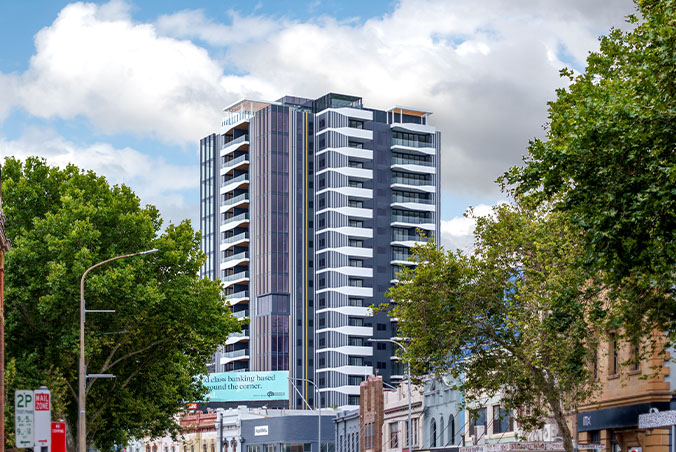
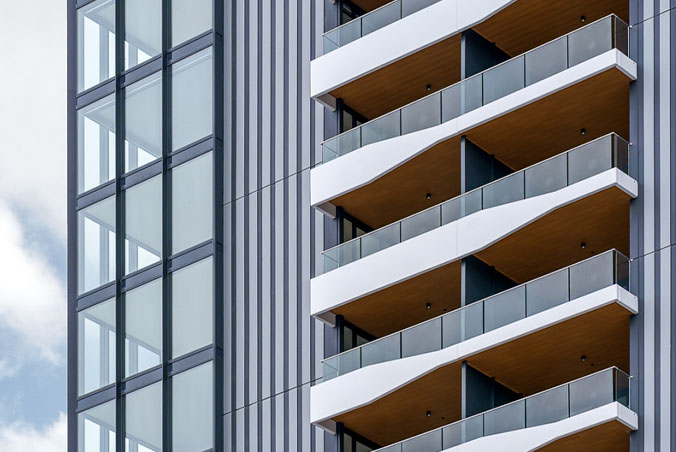
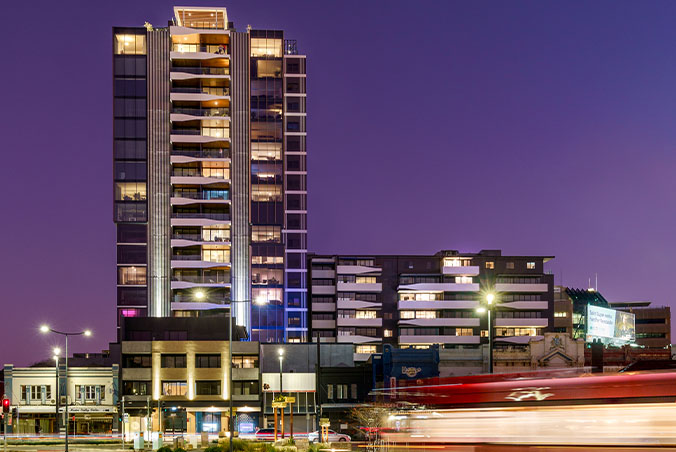

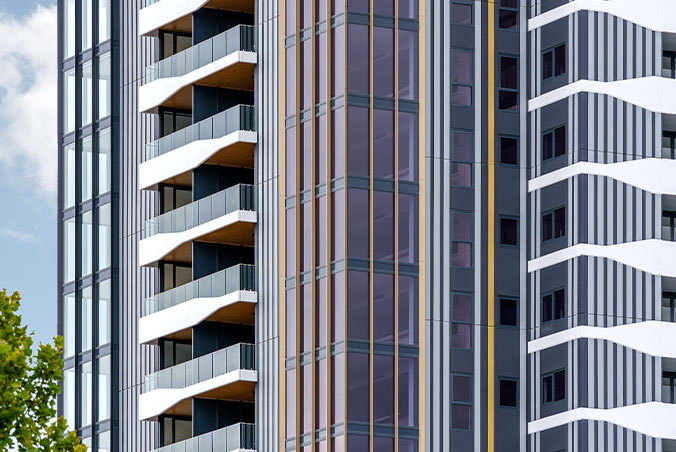
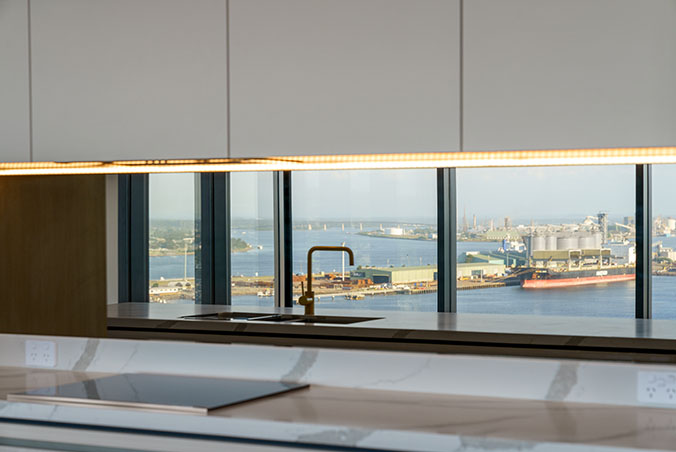
In the heart of Newcastle CBD’s Civic Cultural Precinct is contemporary build that showcases what Hunter Windows can achieve.