
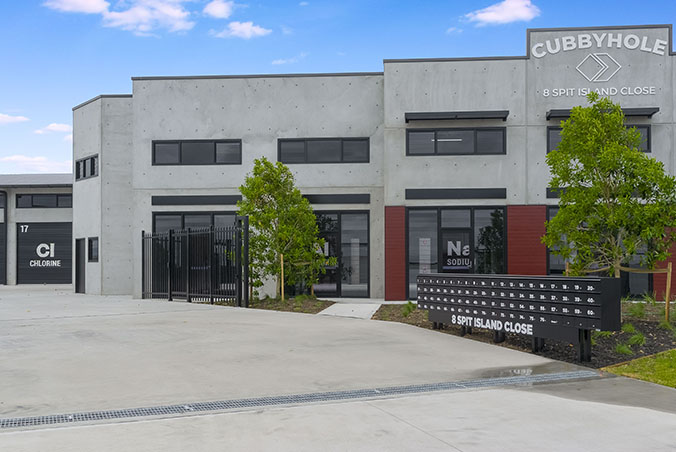
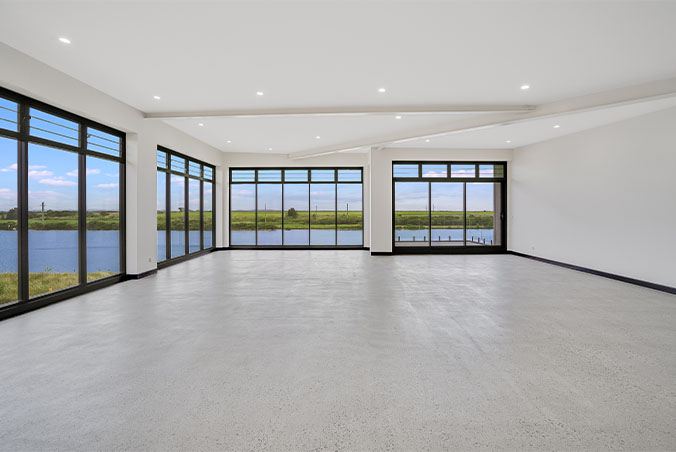
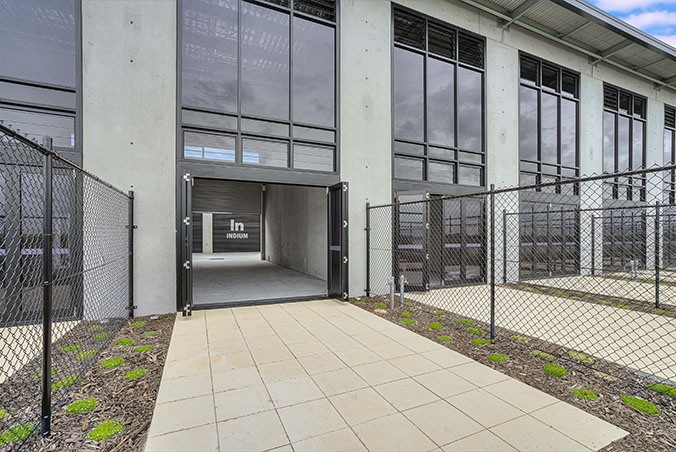
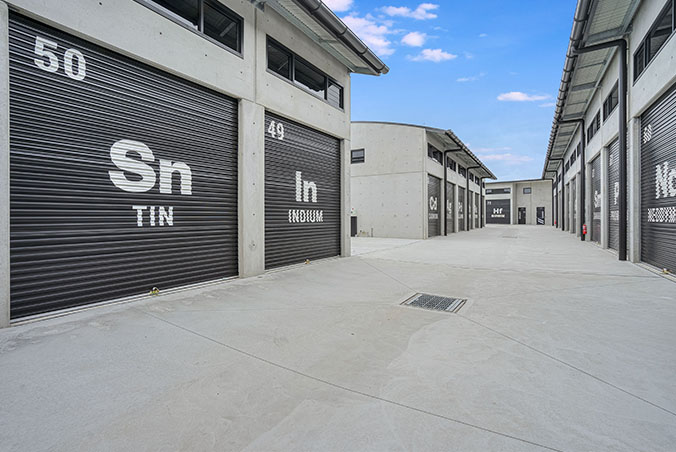
An industrial micro unit build with a difference. Plenty of natural light via 131 louvre windows, 22 glass bi-folds and 27 glass hinged doors.
Pivot door systems are specified where the entry door is intended to make an architectural statement. Rather than operating on side-mounted hinges, pivot doors rotate on a central or offset pivot point — allowing larger, heavier panels than a conventional hinged system, and producing a distinctive rotational movement that is visually compelling and spatially generous. The absence of a traditional hinge along the door edge allows for taller, wider panels with minimal frame interruption, making pivot systems the preferred choice for high-end residential entries, commercial lobbies and prestige projects where the door is a deliberate design feature rather than simply a functional element. Hunter Windows supplies and installs pivot door systems from the AWS Elevate range for architectural and commercial projects.
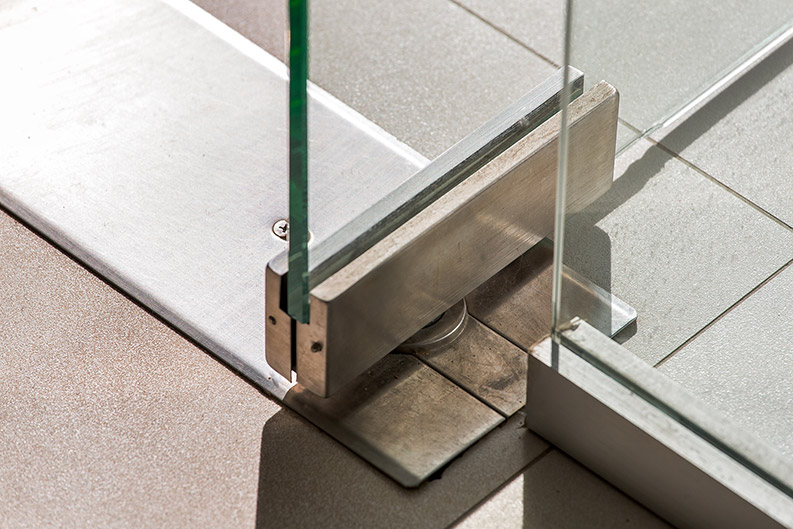
Pivot door systems are commonly specified across:
Pivot door systems introduce design and engineering considerations distinct from conventional hinged systems:
Pivot door systems are WERS rated where applicable, providing verified U-value and Solar Heat Gain Coefficient (SHGC) data for use in NCC energy compliance calculations and thermal modelling.
Key energy performance factors for specification:
SHGC and U-value ranges for each series are shown in the Available Range section above. For detailed energy performance data and climate zone guidance, see our WERS & Energy Performance and Thermally Broken Frames resource pages.
Pivot door systems integrate across facade, sector and specification decisions:
A pivot door rotates on a pivot point located at the top and bottom of the door panel rather than on side-mounted hinges. This allows larger, heavier panels than a conventional hinged system and produces a distinctive rotational movement. The pivot point can be positioned centrally for a dramatic effect or offset toward the leading edge for a more conventional door movement with the visual benefit of a larger panel format.
Pivot systems can accommodate significantly larger and heavier panels than conventional hinged doors. Maximum dimensions depend on the specific series and pivot hardware selected. Our team can advise on suitable panel sizes for a given opening and design intent.
Yes. Pivot door systems are designed for external entry applications and are available with weather sealing and threshold options to suit exposed conditions. The pivot gap along the leading edge requires specific sealing consideration and threshold design should be confirmed with Hunter Windows during design development.
Multipoint locking configurations are available on selected series, providing security performance appropriate for residential and commercial entry applications. Hardware selection should reflect the security requirements of the project and relevant Australian Standards.
Early engagement is recommended — ideally at design development stage. Pivot door systems require bespoke fabrication and structural coordination at the pivot connection points. Early involvement allows glazing and structural requirements to be resolved together rather than sequentially. Upload drawings or contact us to discuss your project.
For pivot door system advice, design consultation or to submit drawings for review, our team is available to assist.
An industrial micro unit build with a difference. Plenty of natural light via 131 louvre windows, 22 glass bi-folds and 27 glass hinged doors.
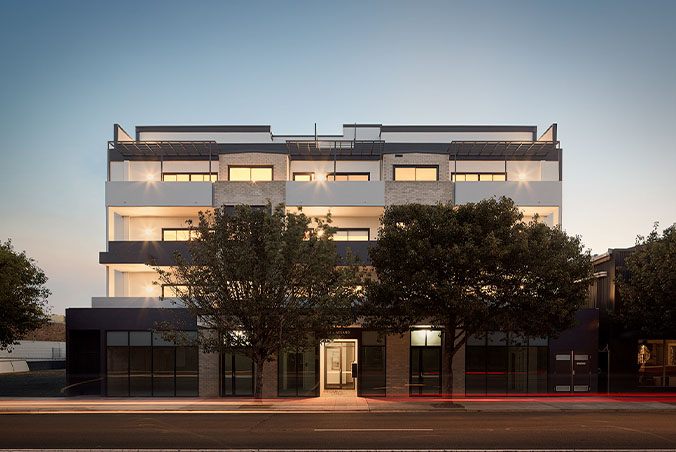
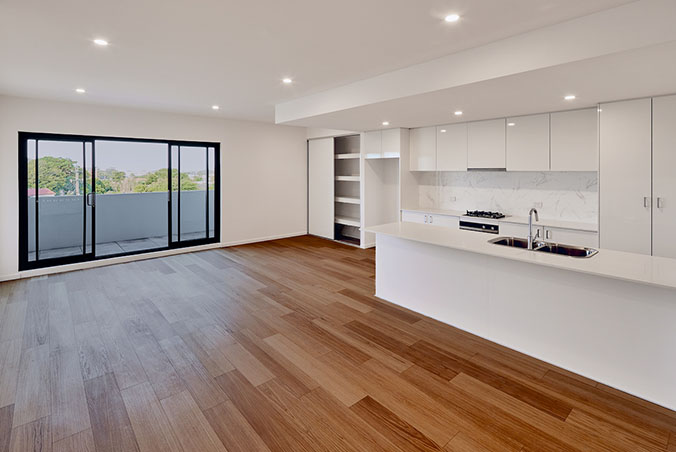
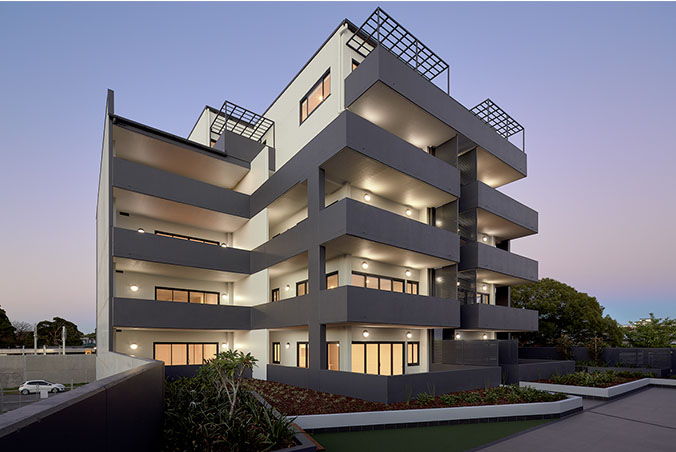
SOHO Central has 41 residential apartments are constructed across two towers. Located in Islington, a suburb rapidly becoming popular because of it’s close proximity to the city.