
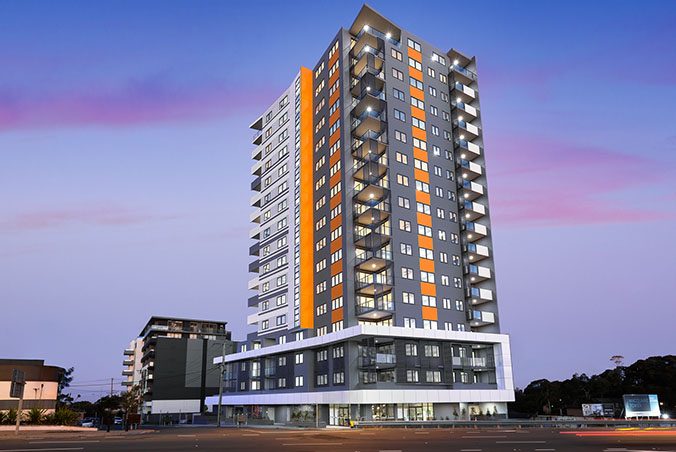
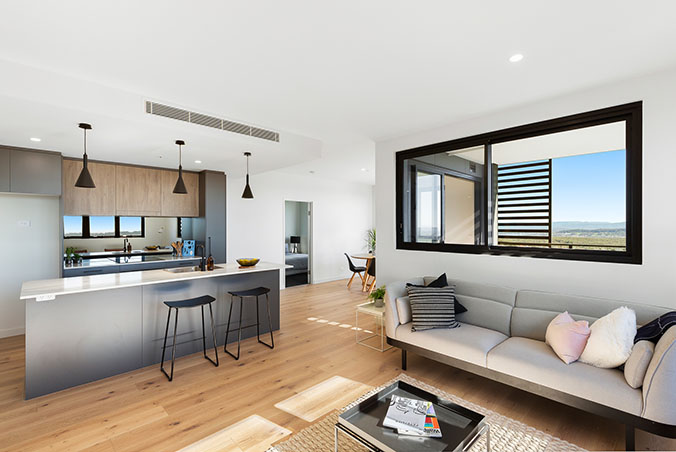
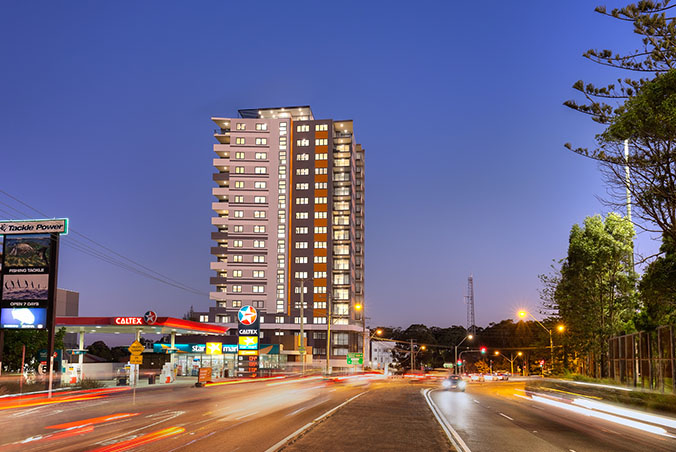
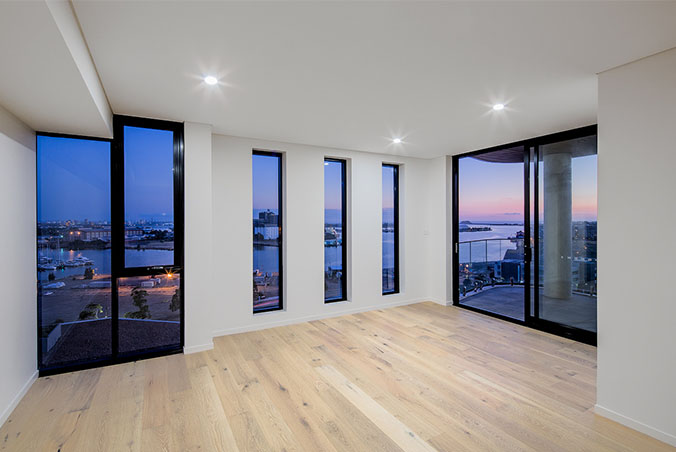
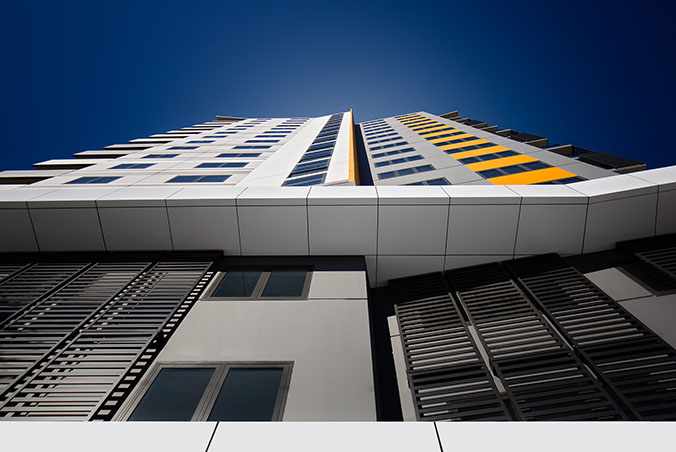
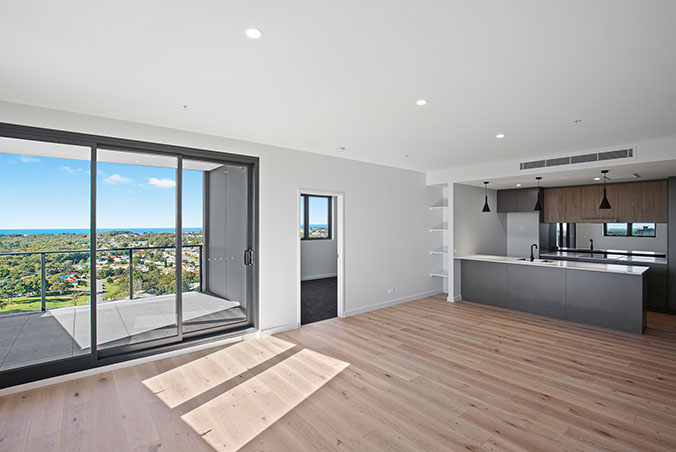
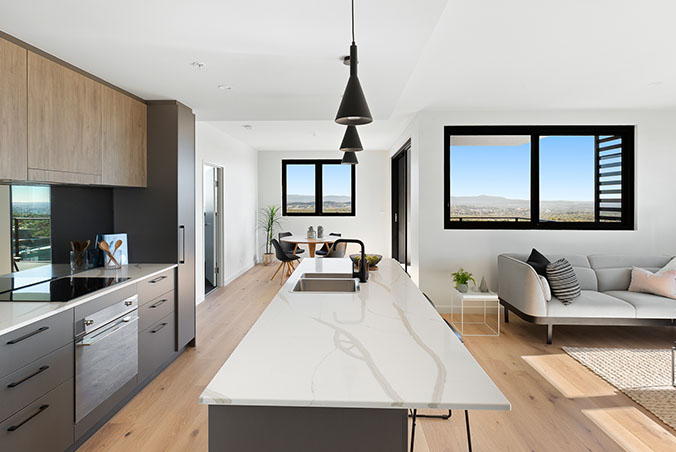
The recently finished Highpoint apartment building in Charlestown is a wonderful addition to the local skyline. The view out from over 800 windows is truly amazing.
Energy performance is an increasingly significant factor in window and door specification — driven by tightening NCC energy requirements, BASIX obligations for NSW residential projects, and growing client and design team focus on thermal comfort and building performance. Hunter Windows window and door systems are WERS rated, providing independently verified U-value and Solar Heat Gain Coefficient (SHGC) data that can be used directly in energy compliance calculations and thermal modelling. For projects with elevated thermal performance requirements, thermally broken ThermalHEART frame options are available across selected series, improving overall system U-values and reducing heat transfer at the frame.
WERS is the recognised Australian rating scheme for window and door energy performance. Ratings are independently assessed and provide verified U-value and SHGC data for specific window and door systems and configurations.
WERS ratings are used in:
WERS data for Hunter Windows systems is available by system and series. Ratings vary depending on frame type, glazing selection and configuration — the same frame with different glass can produce significantly different WERS outcomes.
U-value measures the rate of heat transfer through a window assembly — frame, glazing and edge seal combined. Lower U-values indicate better thermal insulation, meaning less heat transfers through the window in either direction.
U-value is the primary metric used in NCC Section J compliance calculations for commercial buildings. It directly affects the calculated heating and cooling loads of a building and influences the overall energy model outcome.
Key considerations for U-value specification:
SHGC measures the fraction of solar radiation that passes through a window assembly and enters the building as heat. Values range from 0 to 1 — lower values indicate less solar heat gain.
SHGC selection depends heavily on:
SHGC varies significantly with glazing selection. WERS ratings provide verified SHGC data for each system and glazing configuration.
Standard aluminium frames conduct heat readily through the frame section — a characteristic known as thermal bridging. Thermally broken frames address this by incorporating a low-conductivity thermal barrier within the aluminium frame section, interrupting the conductive path and reducing heat transfer.
The AWS ThermalHEART series provides thermally broken aluminium frames across window and door systems and is available through Hunter Windows for projects where elevated thermal performance is required.
ThermalHEART is relevant to:
Glazing selection is the single most influential variable in window energy performance. Key glazing options affecting energy performance:
Refer to the Glass Options page for detail on available glazing types and their performance characteristics.
WERS — the Window Energy Rating Scheme — provides independently verified U-value and SHGC data for window and door systems. These ratings are used directly in NCC Section J energy compliance calculations for commercial buildings and BASIX compliance for NSW residential projects. Specifying a WERS rated system ensures the energy performance data used in compliance modelling is verified and defensible.
U-value measures the rate of heat transfer through the window assembly — lower values mean better thermal insulation. SHGC measures how much solar heat passes through the glazing into the building — lower values mean less solar heat gain. Both metrics are required for NCC energy compliance calculations and together determine the thermal contribution of a window to a building’s energy model.
ThermalHEART frames should be considered where standard aluminium frames do not achieve the U-value required for NCC Section J or BASIX compliance, or where the project is targeting above-minimum energy performance for Green Star, NABERS or client sustainability requirements. They are particularly relevant in climate zones with significant heating loads where frame thermal bridging has a more pronounced effect on building energy performance.
Glazing selection is the single most influential variable in window energy performance. The same frame with different glass can produce significantly different U-value and SHGC outcomes. Double glazing, low-e coatings and argon fill all improve U-value; low-e coatings and tinted glass reduce SHGC. WERS ratings should be requested for the specific frame and glazing combination being specified, not just the frame alone.
Yes. WERS rating certificates are available by system, series and glazing configuration on request. For NCC Section J and BASIX compliance, data should be requested for the specific system and glazing combination being used on the project. Contact Hunter Windows or upload project drawings to discuss energy performance requirements.
Energy performance connects across the site:
For WERS data, energy performance advice or to discuss glazing selection for NCC or BASIX compliance, our team is available to assist.
The recently finished Highpoint apartment building in Charlestown is a wonderful addition to the local skyline. The view out from over 800 windows is truly amazing.

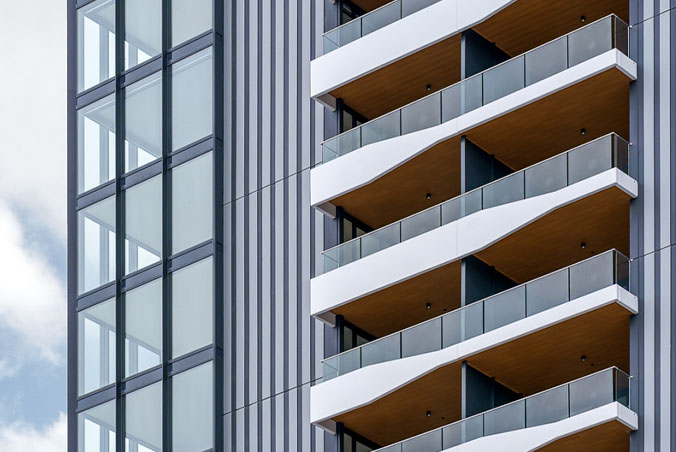
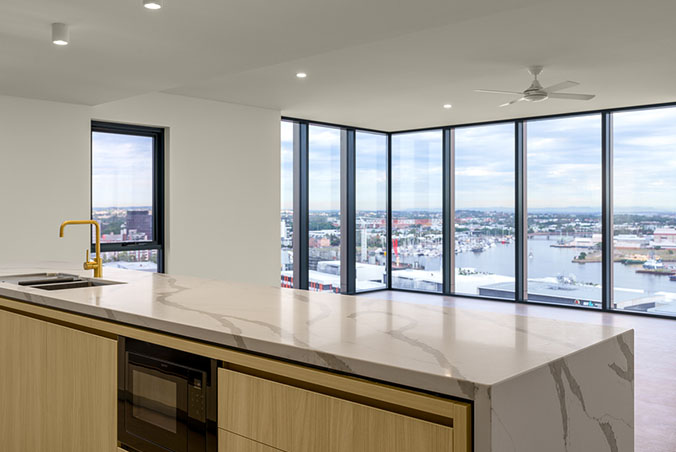


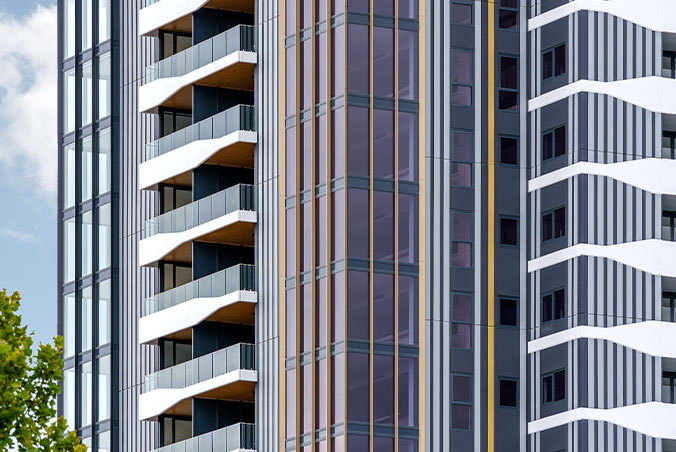

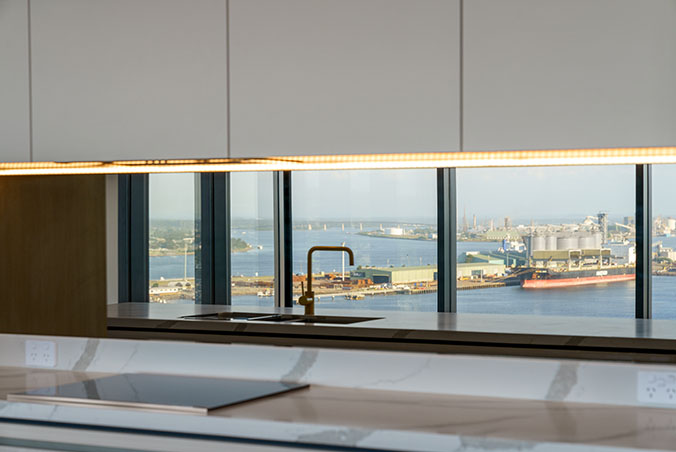
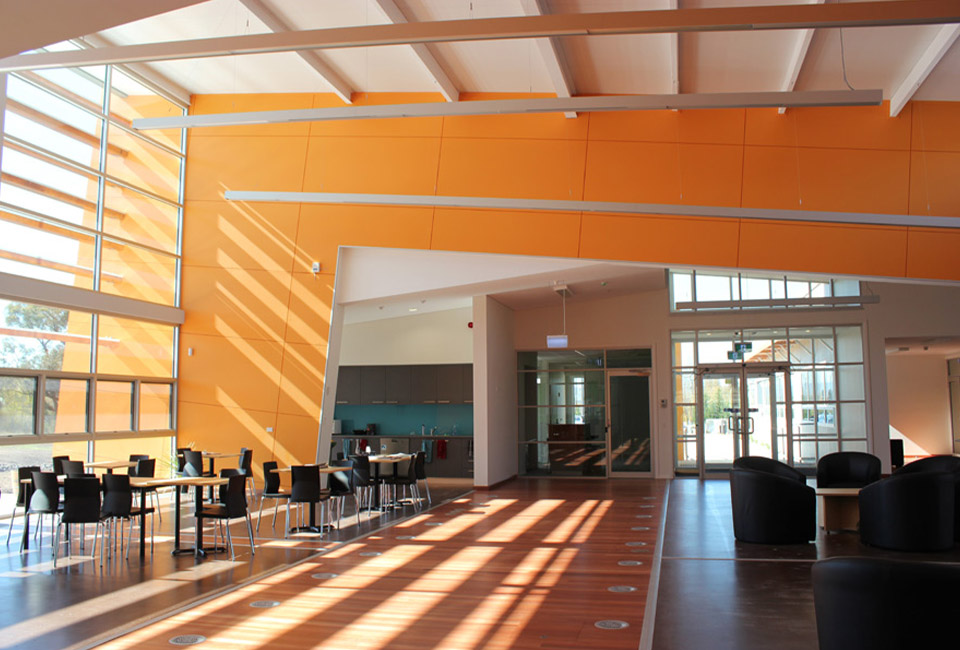
In the heart of Newcastle CBD’s Civic Cultural Precinct is contemporary build that showcases what Hunter Windows can achieve.