
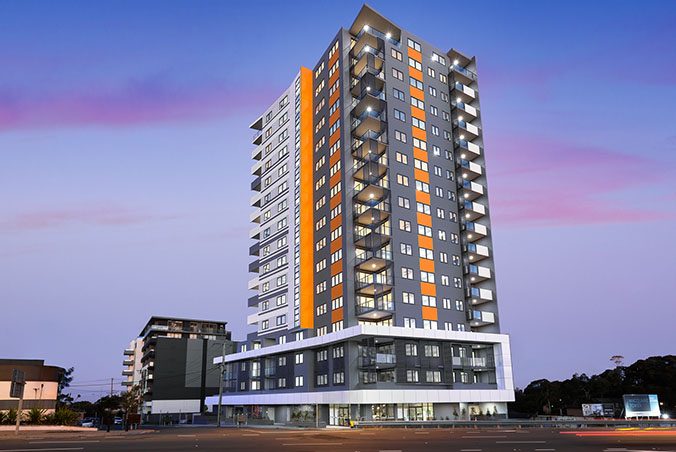
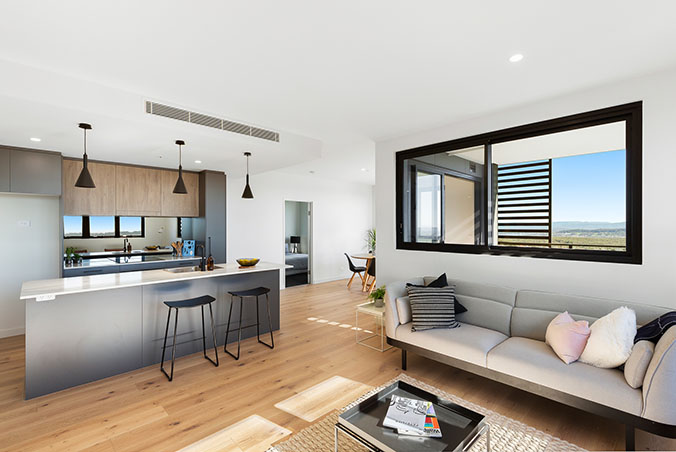
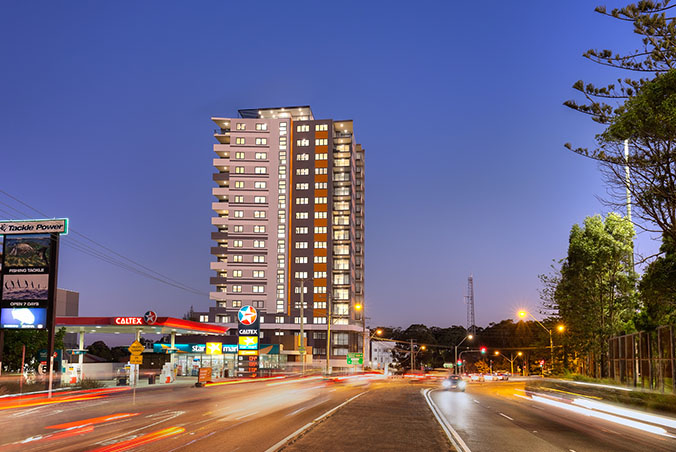
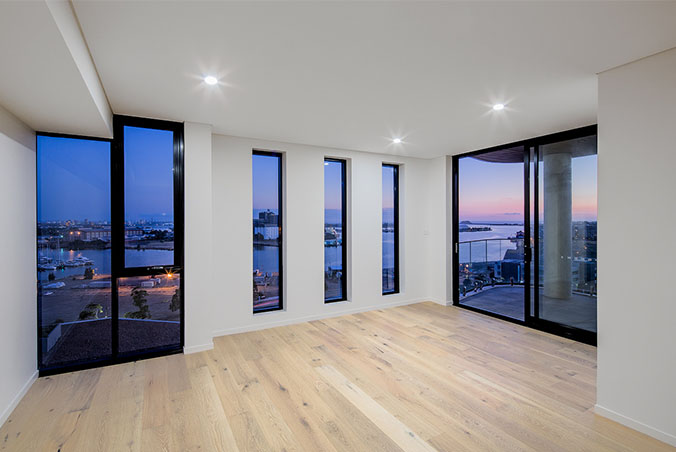
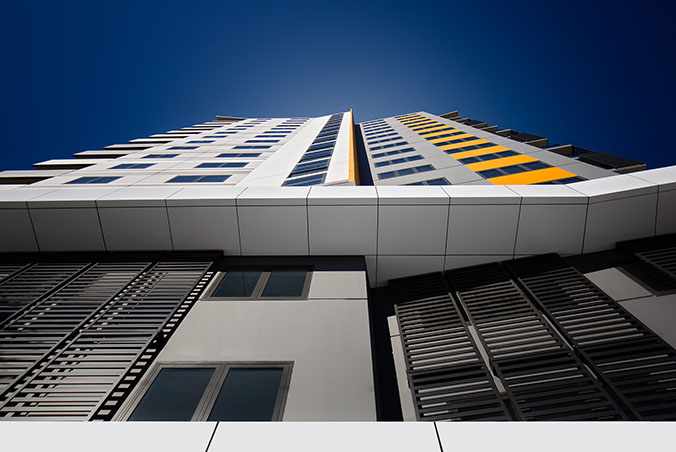
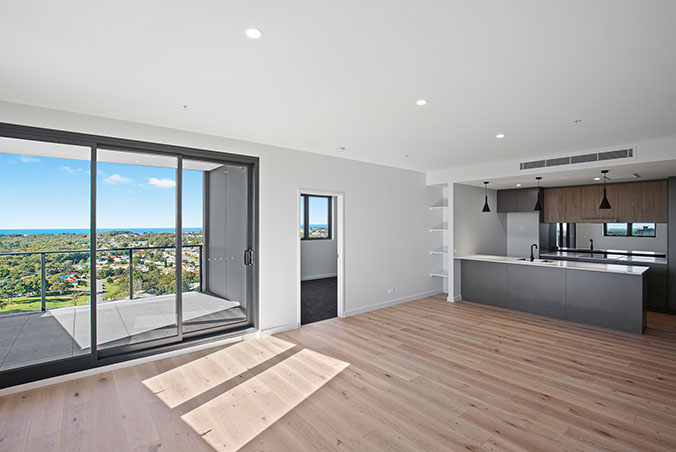
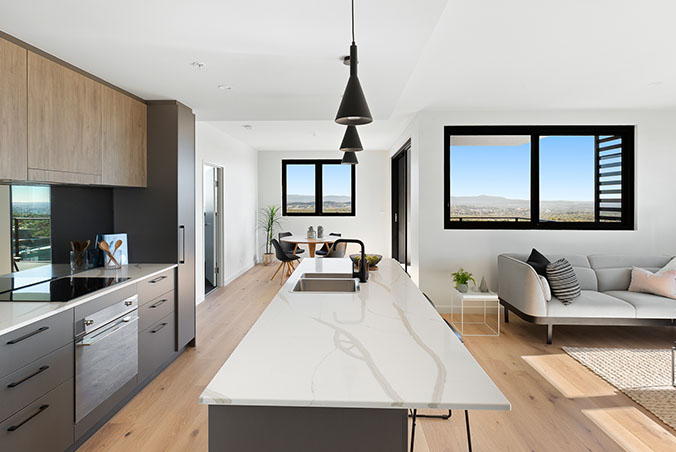
The recently finished Highpoint apartment building in Charlestown is a wonderful addition to the local skyline. The view out from over 800 windows is truly amazing.
The Design and Building Practitioners Act 2020 (DBP Act) and the Residential Apartment Buildings (Compliance and Enforcement Powers) Act 2020 (RAB Act) have fundamentally changed compliance obligations for the NSW building industry. Facades and building enclosures are regulated building elements under the DBP Act — meaning that window and door systems specified for Class 2, 3 and 9c buildings require regulated designs, Design Compliance Declarations, and documented product traceability as part of the compliance chain from design through to Occupation Certificate. Hunter Windows works with architects, builders, developers and certifiers to ensure the window and facade documentation required under these Acts is available, accurate and delivered on programme.
The DBP Act introduced mandatory registration for design and building practitioners working on regulated buildings, and requires that regulated designs — including designs for building enclosures and facades — be lodged on the NSW Planning Portal with Design Compliance Declarations before building work commences.
Key DBP Act requirements relevant to facade and window systems:
Currently applies to:
The RAB Act gives the NSW Building Commissioner broad enforcement powers over regulated residential apartment buildings, including powers to inspect buildings during construction and for up to ten years after completion, issue stop work and rectification orders, and require developers to give notice of intended completion at least six months before applying for an Occupation Certificate.
The RAB Act operates alongside the DBP Act — together they require that documentation, certification and compliance declarations are in place across the full design and construction lifecycle.
Under the DBP Act, the building enclosure — which includes external windows, doors and facade systems — is explicitly defined as a regulated building element. This means:
Hunter Windows supplies product certification, test certificates and technical documentation that supports the registered design practitioner in preparing and declaring regulated facade designs.
Hunter Windows supports compliance requirements across the full documentation chain for facade and window systems:
Compliance and documentation support from Hunter Windows is relevant to:
When specifying window and door systems for DBP Act regulated projects, early consideration of the following supports a smoother compliance pathway:
Yes. The building enclosure — which includes external windows, doors and facade systems — is explicitly defined as a regulated building element under the DBP Act. This means facade and window designs on regulated buildings must be prepared by a registered design practitioner and declared compliant with the BCA before building work commences.
The DBP Act currently applies to Class 2 buildings (residential apartments), Class 3 buildings (including boarding houses, aged care and residential care facilities) and Class 9c buildings, including mixed-use buildings containing any of these classes. New construction on Class 3 and 9c buildings has been regulated since July 2023. Alteration and renovation work on existing Class 3 and 9c buildings will be regulated from 1 July 2026.
Hunter Windows provides product certification (AS2047), test certificates by system and series, WERS rating data, BAL certification where applicable, and fabrication traceability documentation. This supports the registered design practitioner in preparing regulated designs and declaring compliance for facade and window elements.
Any substitution of a specified window or door system is a variation to the regulated design. A revised regulated design must be prepared and a new Design Compliance Declaration made and lodged on the NSW Planning Portal within one day of the varied work commencing. Hunter Windows can provide updated certification and documentation for the substitute product to support this process.
Before an Occupation Certificate can be issued, the building practitioner must lodge a Building Compliance Declaration on the NSW Planning Portal confirming the completed building work was constructed in accordance with the declared designs. This requires all compliance documentation — including product certifications for facade and window systems — to be in order. Hunter Windows can provide compiled documentation packages to support this requirement.
The RAB Act applies to regulated Class 2, 3 and 9c residential apartment buildings in NSW. It gives the NSW Building Commissioner powers to inspect buildings during construction and for up to ten years after completion, and to issue stop work and rectification orders. Developers must give notice of intended completion at least six months before applying for an Occupation Certificate. If your project involves Class 2, 3 or 9c residential accommodation, the RAB Act is likely to apply.
Compliance and documentation requirements connect across the site:
For compliance documentation, product certification or DBP Act support on your project, our team is available to assist.
The recently finished Highpoint apartment building in Charlestown is a wonderful addition to the local skyline. The view out from over 800 windows is truly amazing.
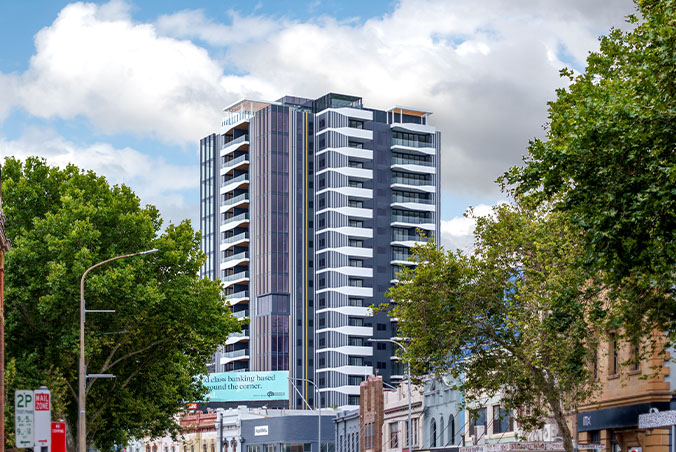
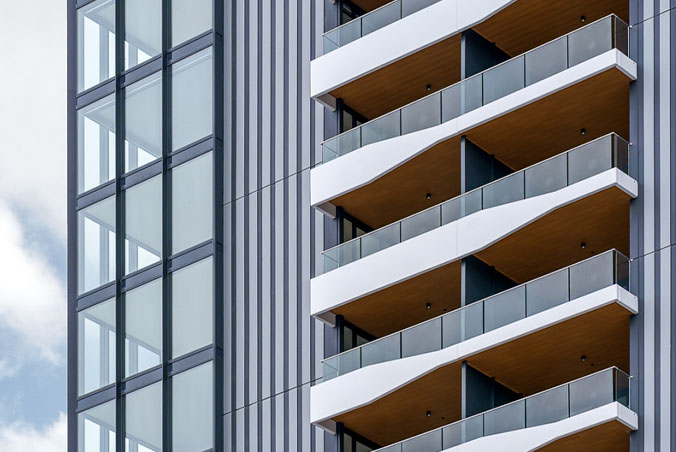
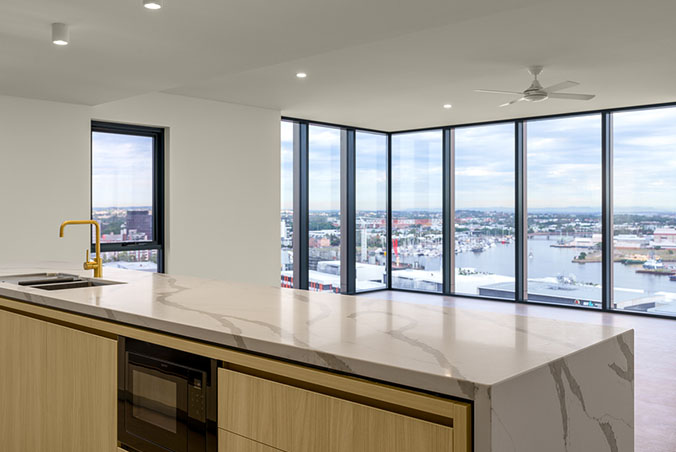
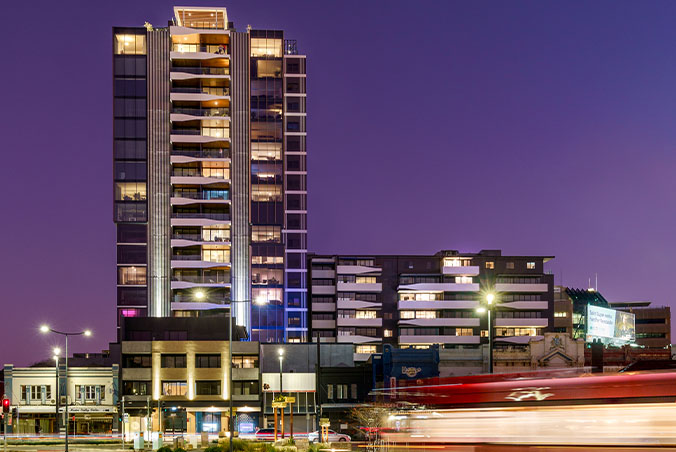
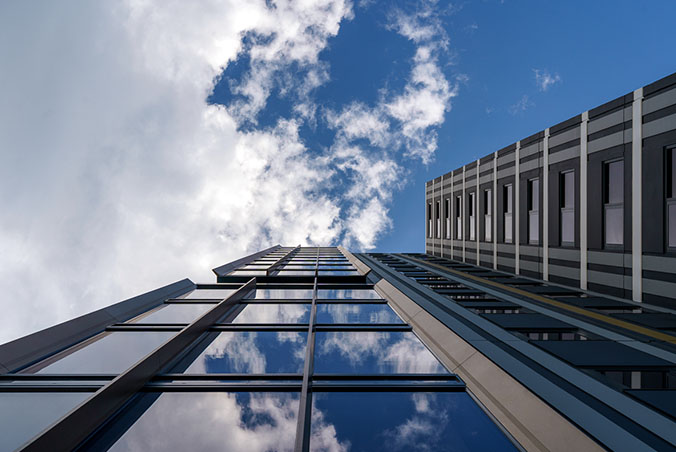
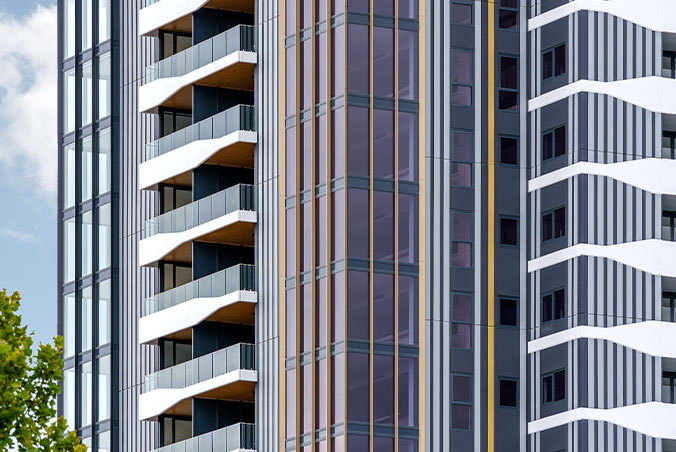
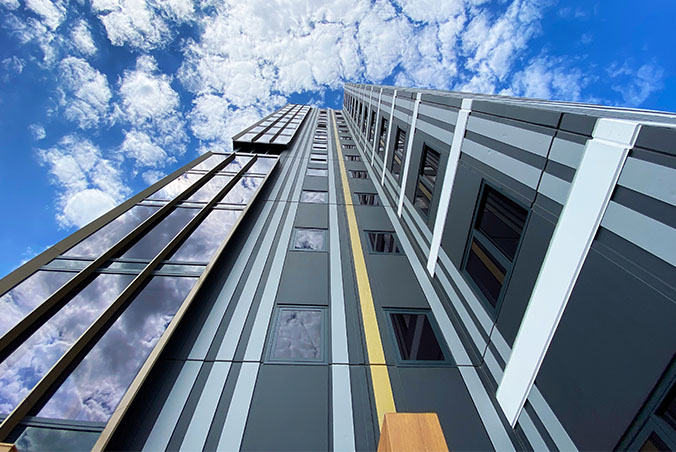
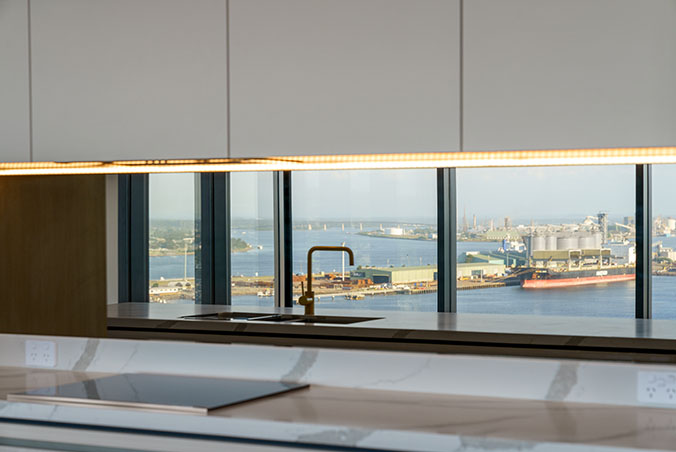
In the heart of Newcastle CBD’s Civic Cultural Precinct is contemporary build that showcases what Hunter Windows can achieve.